
Property for Rent
Cars for Sale
Used Furniture
Motorcycles
Machines and Tools
Professions and Services
Job Listings







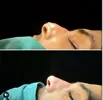
Rhinoplasty: correcting deformities, breathing issues, and aesthetic enhancement of the nose
Rhinoplasty in Turkey
Surgeon Dr. Ilker Manavbasi
Specialist in plastic, reconstructive, and cosmetic surgeries with an excellent degree.
For contact and consultation. WhatsApp. Call. 00905385844484
Cosmetic surgery operations at the most important hospital for cosmetic surgeries
Rhinoplasty is one of the most common cosmetic surgeries. It's an opportunity to improve facial appearance, especially for those suffering from deformities or nasal deviation.
Discover for yourself by visiting the profile of Dr. Ilker Manavbasi, who is renowned in Turkey for the successful operations he has performed and for achieving impressive results.
Rhinoplasty is ranked second globally in the number of cosmetic surgeries. It is a common procedure because after the operation the nose will be exactly as you wish and expect.
What are the indications for rhinoplasty?
Rhinoplasty is a traditional surgical procedure performed on the nose. The essence of nasal surgery is to correct congenital and acquired defects.
Rhinoplasty enables the patient to achieve the desired result in a short time. This surgery is performed to improve appearance and for medical reasons.
There are two main groups of indications for rhinoplasty—medical and aesthetic.
Medical indications include defects that reduce the patient's quality of life—nasal breathing disorders, persistent snoring, rhinitis, and other consequences of septal dysfunction.
Aesthetic indications include only the patient's desire to change the shape of the nose—shorten the length, remove the hump, narrow the bridge of the nose.
What problems does rhinoplasty solve?
A cosmetic surgical procedure such as rhinoplasty can correct many defects and solve serious problems:
Correction of congenital defects
Correction of nasal septal deviation which reduces the patient's quality of life
Correction of the consequences of injuries
Restoring respiratory function
Elimination of snoring
Correction of aesthetic defects
What are the types of rhinoplasty?
Depending on the part of the nose to be altered, the following types of rhinoplasty are distinguished. Each type of nasal surgery can be done separately or in combination with others.
Base rhinoplasty
Base rhinoplasty surgery is often used to correct the width of the nostrils. As a result of nasal surgery, small scars may remain at the base of the nose.
Base rhinoplasty is performed for aesthetic or medical reasons, for example, to reduce complications from previous surgeries.
Most often, patients of Mongoloid and Negro races resort to base rhinoplasty.
Tip rhinoplasty
Tip rhinoplasty is regarded as one of the most difficult types of rhinoplasty. It changes the patient's face completely. Tip rhinoplasty requires great expertise and care from the surgeon.
Any defect in the nasal tip can be corrected.
Columella rhinoplasty
The columella is the septum between the nostrils, composed of cartilage and skin. If the columella is too wide, too narrow, protruding outside the nostrils, or inward.
Any defect in the columella can be easily corrected using this type of rhinoplasty.
Nasal shape correction
This type of rhinoplasty involves correcting the overall appearance of the nasal dorsum. During the procedure, cartilage and bone tissues are altered.
Nasal septoplasty
Septoplasty is performed to restore normal breathing function. Nasal septum defects may be acquired or congenital. Septoplasty is also used to stop snoring.
Nasal augmentation surgery
This type of nasal surgery is usually performed as a secondary cosmetic surgery. Nasal augmentation surgery corrects defects by increasing the size of the nasal structure.
Nasal grafting surgery
Nasal grafting is a relatively new type of rhinoplasty. The essence is to shape the nose with the help of the patient's cartilage. The ribs, auricles, and nasal septum are suitable organs for cartilage transplantation.
Reconstructive rhinoplasty
Burns, frostbite, injuries, accidents, and unsuccessful cosmetic surgeries cause serious defects. Reconstructive rhinoplasty is used to correct these negative effects.
If necessary, the surgeon can fully restore the nose with reconstructive rhinoplasty.
Nasal polyp removal surgery
Nasal polyp removal is also used to aid the patient's breathing. It is a type of rhinoplasty in which part or all of the nasal mucosa is removed.
Often, an overgrown mucosa is the reason for difficulty in nasal breathing.
Recovery period after rhinoplasty
The average period for complete recovery and tissue contraction is 12 months after surgery. This period is divided into specific phases and may differ from one patient to another (due to individual characteristics).
After seven days post-surgery, the splint is removed and the patient is advised to return to normal life. Minor bruising and swelling may appear.
14 days after surgery, bruising and swelling disappear. Avoid touching your nose. Wearing glasses is not allowed.
One month. You can return to moderate physical activity. Light sports (such as jogging and swimming) are recommended. No sensitivity.
One and a half to two months. The bone tissue becomes stable. Gradually return to lifting heavy loads. Wearing glasses and touching the nose is allowed. The risk of nasal damage is very low.
Six months after rhinoplasty, nasal sensitivity returns, and the numbness gradually disappears.
After 12 months post-surgery, tissues are fully recovered. There should be no discomfort or breathing problems (nasal congestion and difficulty breathing).
Before and after rhinoplasty pictures
How is rhinoplasty performed?
Consultation.
A preliminary consultation with a surgeon is required. The specialist collects the patient's medical history and examines the tissues. A decision regarding additional nasal correction is made together with the patient according to his desire. The doctor also determines any possible individual contraindications to rhinoplasty.
Preoperative preparation.
Preoperative preparation consists of several phases. It is necessary to abstain from alcohol and cigarettes for 14 days before and after the operation. Certain medications are also prohibited. During the preliminary consultation, you will receive a list of all blood and urine tests required, as well as visits to other specialists.
Rhinoplasty.
Each type of rhinoplasty is performed according to an approved medical protocol. One of the surgeon's main tasks is not only to achieve the desired result but also to ensure the patient's complete safety. It is very important for us to preserve your health.
Modern plastic surgery has all the necessary knowledge, experience, and tools to achieve the best result.
High-quality surgery, comfortable preparation, and absence of scars are indicators of high professionalism.
Rehabilitation period.
The recovery period varies depending on the rhinoplasty technique. For example, non-surgical rhinoplasty does not require a defined recovery or rehabilitation period.
The rehabilitation period after nasal surgery ranges from 7 to 14 days, depending on the scope and nature of the operation performed.
What are the results of rhinoplasty?
Since patients usually resort to rhinoplasty for aesthetic reasons, the main result is to obtain a perfect nose. Our specialists would like to point out that you shouldn't expect a "completely perfect nose."
The surgeon's main mission is to create a nose that not only meets your expectations but also harmonizes with your appearance.
Facilitating nasal breathing
Elimination of defects caused by injuries and burns
Correction of complications after previous surgeries
Correction of prominent hump
Correction of saddle nose shape
Correction of asymmetry
Restoring the harmonious proportions of the nose
How to recover faster after rhinoplasty?
Rehabilitation after rhinoplasty takes some time. During this period, it helps to take steps that speed up the healing process.
To have a fast and smooth recovery, we advise you to follow some rules during the rehabilitation period:
Listen to the doctor
It is necessary to strictly follow the doctor's instructions, especially during the first month or two after surgery. It should be noted to postpone sauna, baths, and physical activity until complete healing.
High temperature and humidity may cause nasal tissue inflammation and complications. The most precise recovery instructions are those described by your surgeon.
Listen to your body
Even the most experienced specialists cannot determine if you have any health problems after the operation. If you feel excessive dryness, moisture, pressure, or any uncomfortable sensation, you should report it.
Only you can help your doctor correct the results of your rhinoplasty.
Take care of yourself
Rest and reduced stress help the body heal better than any medicine. Rehabilitation after rhinoplasty is a perfect opportunity to take care of your body.
Take utmost care until full recovery
This applies especially in the first six months after rhinoplasty. The head should be kept elevated to prevent swelling. Glasses cannot be worn again except after consulting the doctor as the frame pressure is enough to exacerbate the condition.
It is necessary to gently clean the nose, especially in the first weeks after nasal surgery. You may experience breathing problems for 4–6 months, and up to 12 months in some patients. To ease this problem, it is enough to wash the nasal cavity regularly with a gentle squirt from a special rinse.
Patience and patience again
Patience is no less important in rehabilitation than the surgeon's professionalism and experience. You will need to be very patient to limit yourself to taking long walks in the sun, wearing glasses, and even sneezing.
However, all these efforts are worth the amazing result you will get in the end.
At what age can a rhinoplasty be performed?
It should be noted that this operation is performed for patients over the age of 18, due to tissue growth, which is typically completed by about 18 years old. Doctors consider the optimal age for rhinoplasty to be between 20 and 35 years old.
In some individual cases, the surgeon is entitled to perform rhinoplasty before the specified age.
How do you clean the nose after rhinoplasty?
In the early weeks after cosmetic surgery, many patients experience increased nasal congestion and difficulty breathing. During this period, vigorous and excessive nose cleaning is not recommended. Using a baby nasal aspirator and rinsing (nasal douche) will help clean your nose without harm or complications.
How long does it take for the nose to recover after rhinoplasty?
Complete nasal healing after rhinoplasty takes 10 to 12 months.
What should not be done after rhinoplasty?
After rhinoplasty, it is not advised to visit saunas or baths, expose yourself to direct sunlight, exercise, or wear glasses. You should return to your normal life gradually.
What is laser rhinoplasty?
Laser rhinoplasty is a cosmetic nasal surgery that is a non-surgical method. Laser rhinoplasty is performed using a thin laser beam. This method ensures complete safety and prevents bleeding and infection during surgery.
Why is rhinoplasty risky?
Like other plastic surgeries, rhinoplasty may have negative consequences such as difficulty in breathing or the appearance of external defects in the nose. To avoid this, choose the facial surgeon and clinic carefully.
Reasons for refusal should include the absence of a license or the surgeon's refusal to show relevant certificates. A very high or a very low price should also be a reason for refusal.
Drawbacks of rhinoplasty
The downside of any cosmetic surgery is the possibility of complications. To minimize these risks, trust only experienced specialists at reliable clinics and strictly follow the doctor's instructions.
Also, the long and defined recovery period after surgery is a drawback.
What are the consequences after rhinoplasty?
Consequences or complications after rhinoplasty rarely occur. These may include worsening of nasal breathing or a change in the shape of the nose after surgery.
How much does rhinoplasty cost?
The surgeon can only determine the exact cost of the operation after a personal consultation.
How is rhinoplasty done?
Rhinoplasty can be performed by plastic surgery or by non-surgical means. The non-surgical method involves ultrasound, laser, fillers, or other injections.
The surgeon performs rhinoplasty under general anesthesia. Depending on the rhinoplasty method, the doctor makes an incision, corrects the tissues, and stitches.
Is rhinoplasty painful?
Of course not! Surgical and non-surgical rhinoplasty procedures are performed under anesthesia. Non-surgical rhinoplasty uses local anesthesia, while surgery is performed under general anesthesia.
You will not feel anything during the operation.
Life after rhinoplasty
Our experts recommend adopting a healthy lifestyle for a year after nasal surgery. Engage in moderate physical activity, limit sun exposure, and relax in the sun.
Most importantly, do not deliberately impose impossible tasks on yourself. This means embracing a new appearance. It may take some time to adapt to your new self.
Psychologists point out that the process of acceptance for each patient has its own duration and does not depend in any way on the result.
What are the contraindications for rhinoplasty?
Oncology
Pregnancy and breastfeeding
Too young or too old age
Acute stage skin inflammation
Acne
Viral diseases
Incomplete recovery after previous plastic surgeries
Individual contraindications